Space Fact: Why LEO Is Becoming the Most Crowded Orbit

The Rapid Expansion of Megaconstellations
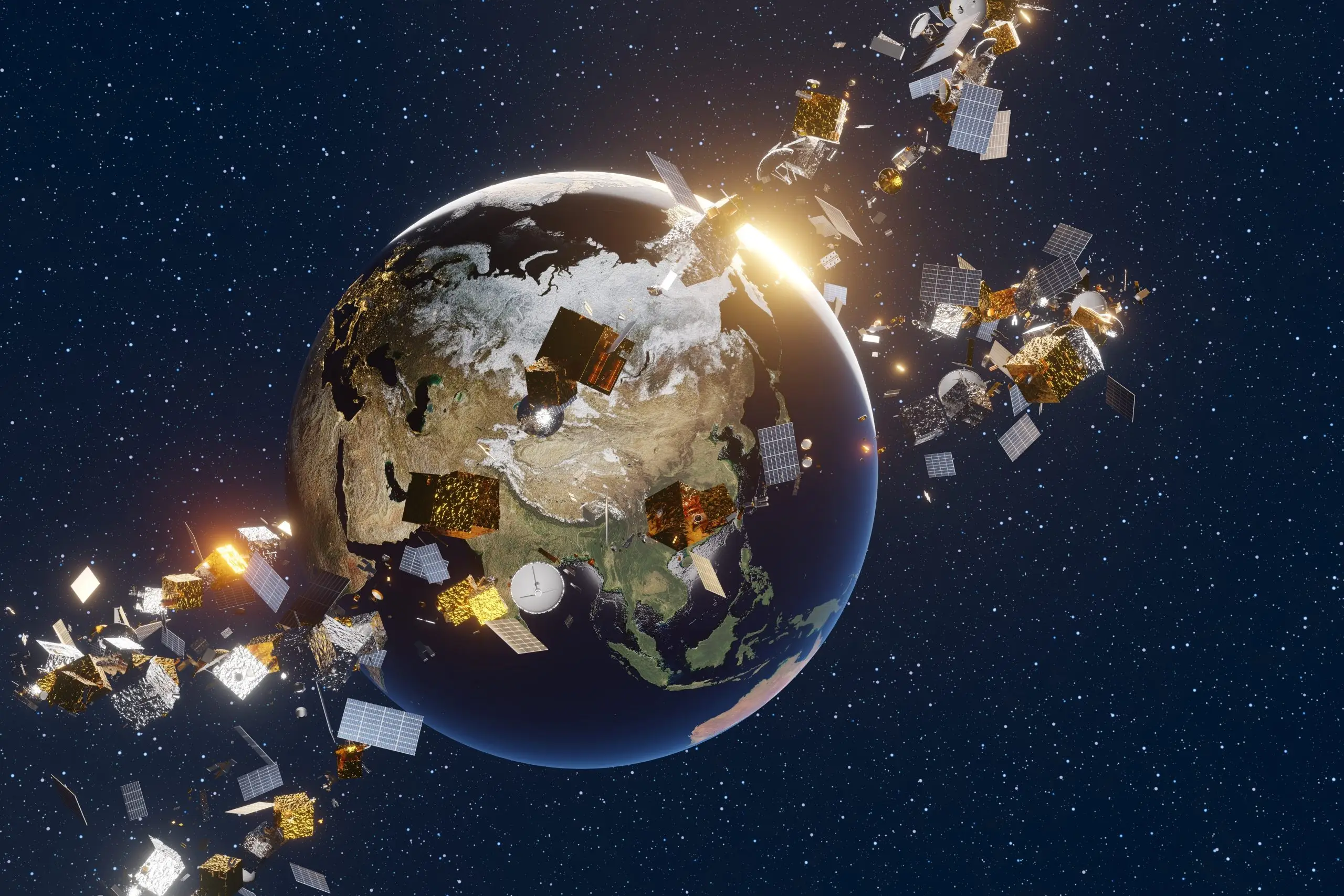
Low Earth Orbit (LEO), extending up to 2,000 km above Earth, has become the focal point of a global technological surge. Companies such as SpaceX, Amazon, and China’s Guowang are deploying thousands of satellites to build broadband and cloud‑data megaconstellations. As of early 2026, more than 14,000 active satellites orbit Earth, with over one million additional satellites proposed, marking an unprecedented expansion.
This deployment pace is outstripping the development of space‑traffic management and regulatory oversight.
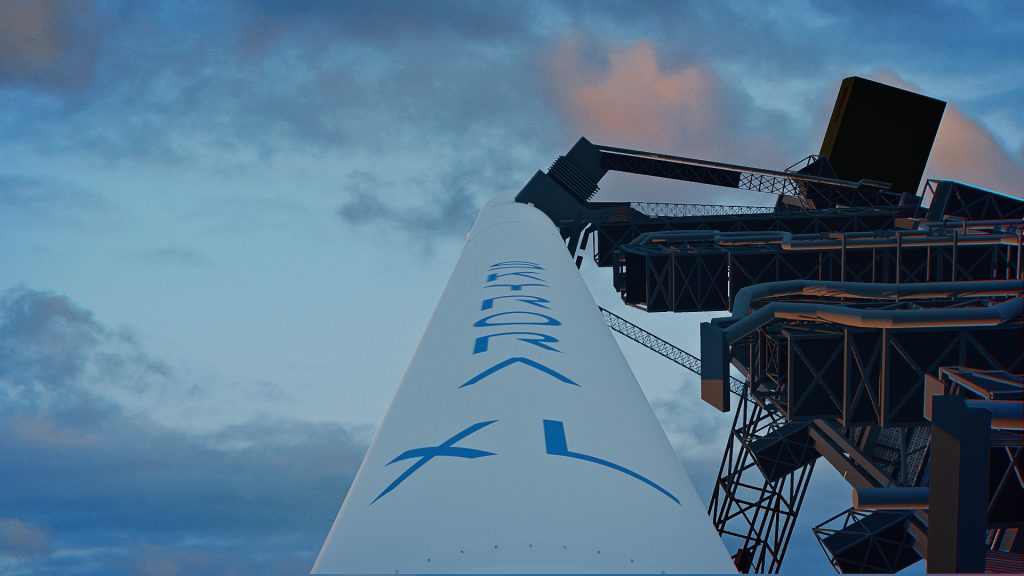
For a launch provider like Skyrora, this trend reflects both opportunity and responsibility. As demand for satellite access grows, so does the need for reliable, sustainable launch systems capable of precise orbital insertion.
Intensifying Collision Risks and Traffic Management Challenges
LEO’s growing population has turned orbital traffic into a highly dynamic environment. Between 2019 and 2025, the number of satellites executing more than 10 collision‑avoidance maneuvers per month increased sevenfold.
Within the Starlink network alone, close approaches of less than 1 km occur roughly every 11 minutes, requiring dozens of annual course corrections per satellite.
For launch companies, this congestion means insertion windows are more complex, flight paths require greater precision, and post‑deployment safety becomes a key differentiator. Skyrora’s commitment to responsible operations, including more precise orbital delivery, directly supports operators navigating this intensifying risk environment.
Impacts on Astronomy and the Visible Night Sky
Astronomers worldwide report significant disruptions due to megaconstellations. Reflections from satellites now affect up to half of certain ground‑based telescope images, challenging long‑established observational methods.
Researchers warn the world may face a “shifting baseline,” where future generations accept a more polluted, satellite‑crowded night sky as normal.
This underscores the need for sustainable launch and orbital practices, a principle Skyrora champions through innovations such as Ecosene, the company’s recycled‑plastic‑based rocket fuel, reducing launch impact while enabling responsible orbital access.
What LEO Congestion Means for the Future of Launch
The growing density of LEO will shape the next decade of space operations:
-
Demand for precise orbital insertion will increase, as crowded orbits require launch vehicles capable of tighter delivery tolerances.
-
Sustainable practices will become essential, from debris‑mitigating propulsion to eco‑responsible fuels.
-
Coordination and compliance will define operator reputation, as regulators refine deorbit and collision‑avoidance rules.
With its UK‑based launch infrastructure, advanced engineering capabilities, and sustainability focus, Skyrora is positioned to support a safer, more resilient orbital ecosystem while enabling the next generation of satellite services.